
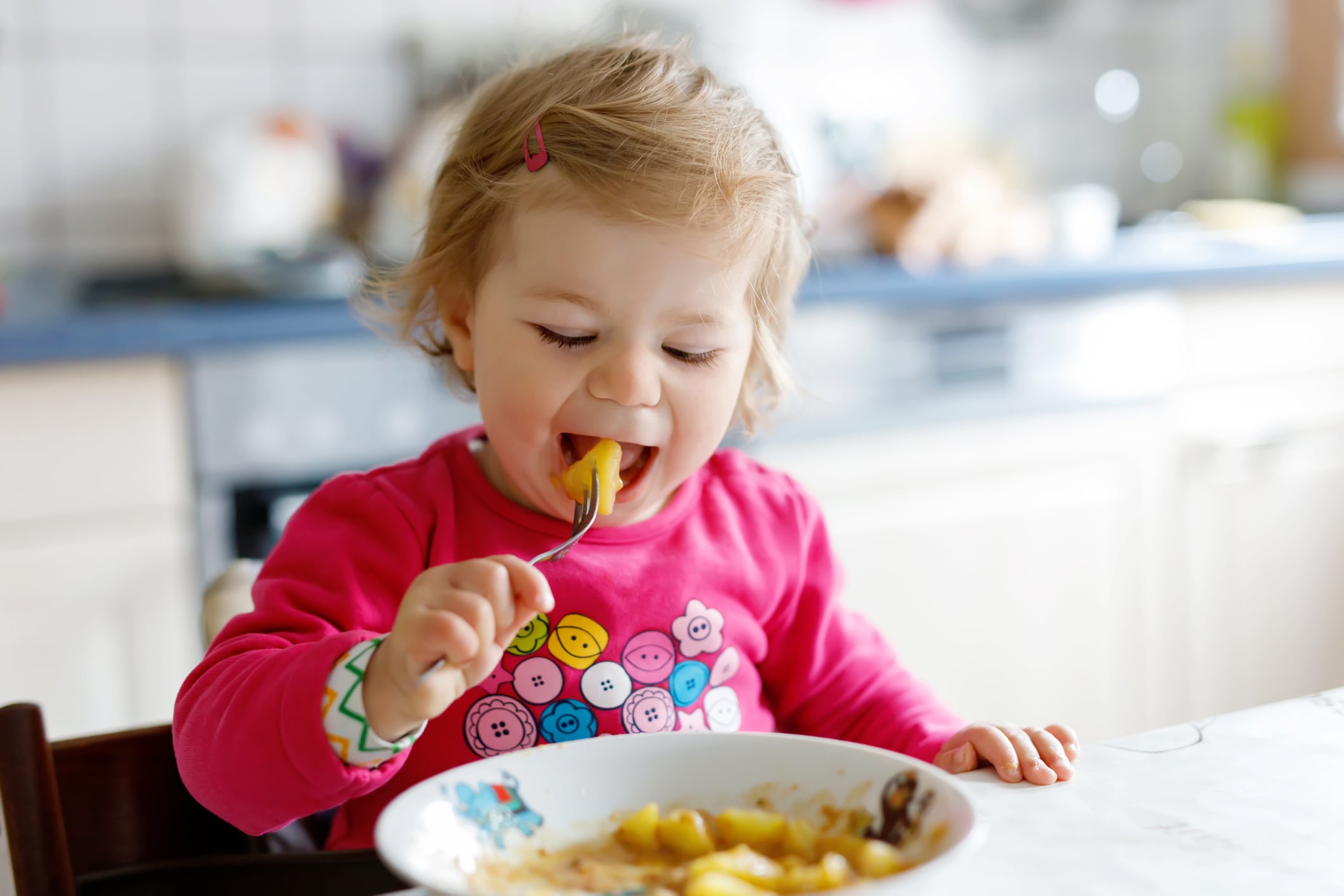
Parents want their children to enjoy family meals, explore different foods, and learn to feed themselves. Sometimes holding a spoon, chewing certain foods, or feeling comfortable at the table can be challenging for a child. When that happens, what can a parent do?
When your child needs support in several areas related to feeding, occupational and feeding therapy support can help. They help your child build the skills for comfortable, independent, and enjoyable mealtimes, so they get the nutrition they need to grow and thrive.
How Occupational Therapy and Feeding Therapy Support Mealtime Success
Meals bring several coordination-related challenges and sensory experiences. Your child uses their body to sit upright, their hands to pick up food or hold utensils, and their tongue, lips, and jaw to manage each bite. They also take in the food’s smell, taste, appearance, temperature, and texture.
Some of these skills may come easily to your child, while others need more support. Occupational and feeding therapy addresses different but connected parts of this process.
The Role of Occupational Therapy
Pediatric occupational therapy can support the fine motor coordination, posture, and foundational sensory aspects of eating. An occupational therapist looks at how your child sits at the table, uses their hands and utensils to feed themselves, and response to sensory aspects of foods.
Depending on your child’s needs, support may include:
- Sitting and positioning: Exploring seating and support that help your child feel steady while reaching for food and using their hands.
- Using utensils and cups: Practicing grasping, scooping, and bringing food or drinks to their mouth.
- Processing sensory input: Understanding how environmental and food-related sensory inputs affect your child’s comfortability with exploring foods and finding ways to support them.
- Following mealtime routines: Finding ways to help your child move from another activity to the table and feel ready to participate.
As these skills grow, your child can engage in mealtimes more independently and confidently.
The Role of Feeding Therapy
Pediatric feeding therapy supports the skills needed to bite, chew, drink, swallow, and explore foods. This also includes oral-motor skills, or how your child coordinates their tongue, lips, and jaw to move food within their mouth. Speech-language pathologists or occupational therapists with additional training in feeding and swallowing can help children develop these skills.
Depending on your child’s needs, supports may overlap with occupational therapy support, as well as the following:
- Biting and chewing: Coordinating tongue, lip, and jaw movements to bite, chew, and move food around their mouth.
- Drinking from cups and straws: Practicing with an open cup, a straw, or another option that fits their skills.
- Managing textures: Moving from smooth purees to foods that need more chewing.
- Swallowing safely: Building skills to move food and drinks smoothly from the mouth to the throat.
As these skills grow, your child can eat and drink with more confidence, from chewing crunchier foods to sipping from an open cup.
How Occupational and Feeding Therapy Works Together
When your child receives both services, their occupational and feeding therapists can share observations and evaluation findings to understand how your child’s skills connect and plan goals that support each other.
Building a Shared Picture of Your Child
Each therapist will evaluate your child’s mealtime experience through their scope of practice. For example, for a child who often gets up from the table after a few bites:
- An occupational therapist might notice that they find it hard to stay steady in their chair or seem bothered by noise in the room.
- A feeding therapist might notice that certain foods take a lot of effort for them to chew.
By collaborating, the therapists can see how these pieces connect. Your observations add to the picture, too, such as which foods your child enjoys and where they eat most comfortably.
Working Toward the Same Mealtime Goal
Imagine your child enjoys yogurt and wants to feed themselves but needs help bringing a loaded spoon to their mouth and taking the food off with their lips. Each therapist can support different part of that same activity:
- Occupational therapy supports your child’s core strength to maintain a safe, upright seated posture at the table, as well as grasp on a spoon.
- Feeding therapy supports how your child closes their lips around the spoon and manages the food.
Practicing with a real spoon and familiar food connects these skills directly to everyday eating. These therapies work to support the same goal: your child enjoying a snack more independently.
Sharing What Works for Your Child
In each session, your child’s therapist notices how they respond and adjusts activities when your child seems overwhelmed or wants to explore in a different way. Collaboration is an important part in knowing what supports are beneficial for your child’s success. For example:
- An occupational therapist might share a calming activity that helps your child feel ready to participate in feeding therapy.
- A feeding therapist might share how your child signals they need a break.
By collaborating, therapists can give your family clear strategies to try at home.
Updating Plans as Your Child Grows
As your child develops new skills, therapists can use that progress to adjust what they work on together. For example, if your child learns to safely chew a new food in feeding therapy, they may practice picking it up with a fork or spoon in occupational therapy.
Progress looks different for every child. By sharing updates and listening to your feedback, therapists keep goals connected to your child’s needs and your family’s priorities.
Contact More to Say for Occupational and Feeding Therapy
If your child needs support with eating and you live in the Branford, Oxford, or Shelton, CT, area, More to Say Pediatric Development & Therapy can help. Call (203) 828-6790 to learn how our occupational and feeding therapy works together to help your child build the skills they need to eat more confidently and independently.