

If your child has a diagnosis such as autism, ADHD, sensory processing differences, or developmental delays, you may have noticed that your child may feel dysregulated during everyday activities at home. Maybe your child is getting upset by everyday sounds, or transitioning between activities feels like a challenge. These moments can be exhausting, especially when you’re doing your best to create a calm home environment.
The good news is that small changes can help you create a sensory-friendly space that supports your child’s comfort and regulation. Read along for some practical and manageable ways you can make your home more sensory-friendly.
What is a Sensory-Friendly Environment?
A sensory-friendly environment is one that takes into account how your child experiences the world through their senses. This includes sight, sound, touch, movement, smell, and even predictability. Every child processes sensory input differently, and some children may be more sensitive to or unaware of certain sensations than others.
For some children, bright lights or loud noises can feel overwhelming. For others, certain textures, clothing, or busy spaces can make it hard to stay calm and focused. A sensory-friendly environment helps reduce overstimulating sensory input while offering more regulating inputs that helps children feel safe.
Practical Ways to Create a Sensory-Friendly Home
Pay Attention to Lighting
Lighting plays a big role in how your child experiences a space. Bright white or flickering lights can feel overwhelming, while softer, warmer lighting often feels more calming. Whenever possible, use natural light during the day and consider alternatives to bright overhead lights in the evening.
Simple lighting adjustments you might try at home include:
- Using lamps instead of overhead lighting
- Choosing warm-toned or dimmable light bulbs
- Adding curtains or blinds to help control brightness
Even small changes to lighting can help your child feel more relaxed and focused during play, learning, or family time.
Create a Calm, Cozy Space
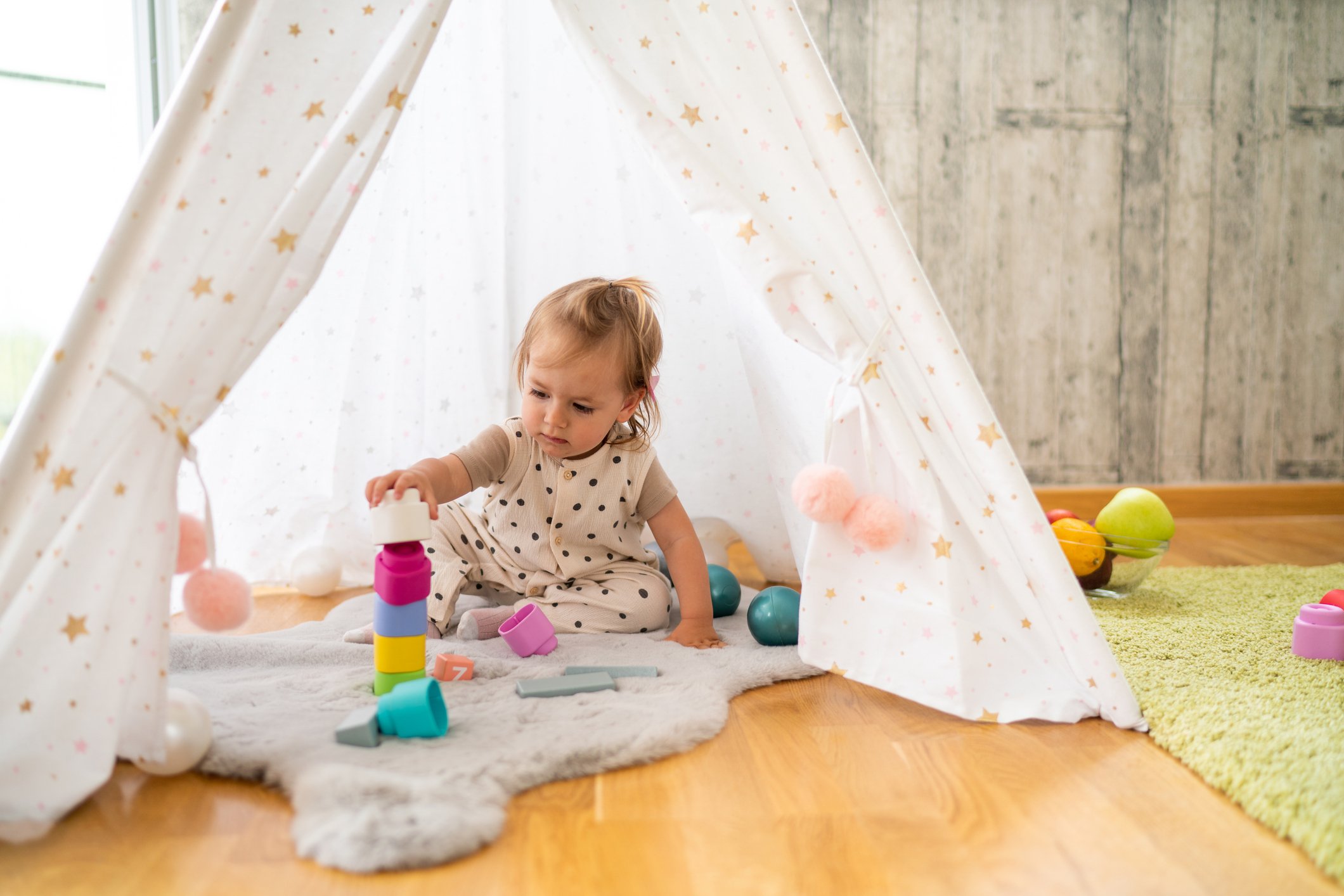
Having a designated calm area in your home gives your child a place to reset when they feel overwhelmed. It doesn’t need to be large or elaborate. The goal is just to create a spot that feels safe and comfortable where they can go if they want to. A calm space might include:
- Pillows, cushions, or a bean bag
- Soft blankets or a rug
- A small tent or canopy
- Preferred sensory tools (fidgets), books, stuffed animals, or toys
This area should feel inviting, not like a time-out. When they feel overwhelmed or upset, knowing they have their own special place to retreat to can support their emotional and sensory regulation.
Be Mindful of Sound Levels
Everyday noises like televisions, loud appliances, or background music can add up quickly. Some children are especially sensitive to sound and may struggle in noisy environments. Paying attention to background noise and keeping sound levels more predictable can help reduce sensory overload.
You might choose quieter times of day for focused activities or offer noise-reducing headphones when needed. Giving your child warning before loud or sudden sounds, such as turning on a vacuum or blender, can also help them feel more secure by giving them a chance to prepare or go to a quieter space.
Offer Sensory Variety Through Play
Sensory-friendly environments are not just about reducing input. They also provide opportunities for positive sensory experiences through play. Sensory play helps children explore their bodies and surroundings in ways that feel engaging and supportive.
Sensory play ideas you might offer at home include:
- Water play in the sink, tub, or outdoors
- Play-dough, putty, sensory bins, or other hands-on materials
- Swinging, climbing, or other movement-based play
- Exploring different textures through art or everyday objects
Follow your child’s lead to see what types of sensory play they enjoy. Sensory play can support regulation, creativity, and confidence while keeping learning fun and meaningful.
Keep Routines Predictable, with Room for Flexibility
Predictable routines help children understand what to expect, which can feel especially comforting for those with sensory sensitivities. Simple daily routines, visual schedules, and giving time warnings before transitions (e.g., “5 more minutes, and then it’s bathtime”) can support your child’s sense of security and control.
At the same time, flexibility is important. Some days will feel harder than others, and that’s okay. Offering extra support during difficult transitions can help your child feel understood and supported.
Be Thoughtful About Clothing and Textures
Clothing can be a significant source of discomfort for children with tactile sensitivities. Tags, seams, tight waistbands, or certain fabrics can be distracting or upsetting throughout the day. To help reduce discomfort, you might consider:
- Choosing tag-free or seamless clothing
- Offering soft, flexible fabrics
- Allowing looser fits or elastic waistbands
Allowing your child to choose clothes that feel comfortable to them can reduce their stress. Plus, respecting their preferences helps your child feel more in control of their environment and their body, setting them up for success during their daily activities.
Involve Your Child in the Process
One of the most important aspects of a sensory-friendly home is listening to your child. Pay attention to what helps them feel calm and what seems to cause them discomfort. Over time, your child should begin to recognize and communicate their own sensory needs more clearly.
Involve your child in choosing calming tools, play activities, or quiet spaces. This child-led approach builds self-awareness and confidence while honoring your child’s unique voice.
Remember That Sensory Needs Can Change
Try to remember that sensory needs are not static! What works well today may look different tomorrow as your child grows and develops. Staying curious and responsive will empower you to adapt to your home environment as your child’s needs evolve.
Checking in with your child and their therapist regularly, and being open to change, will help your home remain a supportive and nurturing space throughout your child’s life.
Supporting Your Child’s Growth at Home
Creating a sensory-friendly home is not about doing everything perfectly. It is about noticing your child’s needs, making thoughtful adjustments, and offering support with patience. These small changes can help your child feel more comfortable, confident, and ready to engage with the world around them.
If you would like additional guidance or support, a pediatric therapy evaluation from our expert occupational therapists at More to Say can help you better understand your child’s sensory needs and identify the strategies that will work best for your family. Give us a call at (203) 828-6790 to schedule an evaluation at our clinics in Branford or Oxford today. Do you live far from our clinics? We are able to help via telehealth to families that reside in Connecticut!