

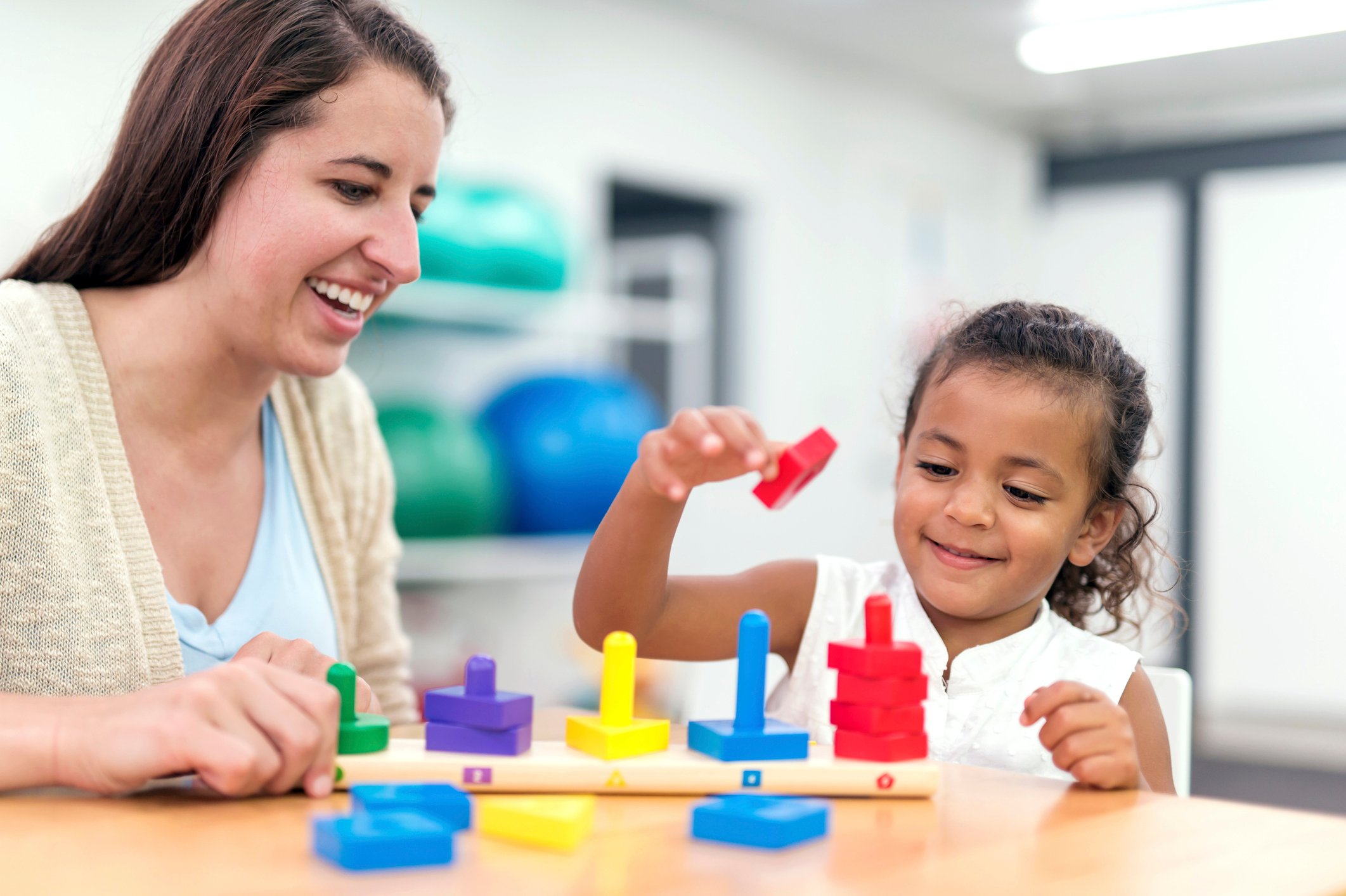
If your child is on the autism spectrum, everyday routines may take more time, energy, or support than you expected. Daily activities like getting dressed, sitting down for meals, transitioning between activities, or participating in school routines can feel challenging, even when you know your child is capable and trying their best. You may find yourself wondering how to support your child’s independence while still honoring who they are.
Occupational therapy (OT) is designed to support children in developing the everyday skills they need to participate in daily life. Rather than focusing on changing a child, OT helps children build skills, confidence, and strategies that make daily activities feel more manageable. This article explores how occupational therapy supports children with autism as they develop meaningful skills for home, school, and community life.
What Occupational Therapy Focuses on for Children with Autism
Occupational therapy helps children engage in the activities that make up their daily lives. For children, these “occupations” include play, self-care, learning, and participating in family and school routines. Occupational therapists look at how a child moves, plays, interacts with their environment, and navigates daily situations.
For children, some of those activities can be difficult. That’s why occupational therapy takes an individualized approach. Our therapists consider many factors that can impact task completion, including:
- Sensory processing
- Fine and gross motor skills
- Emotional regulation
- Executive functioning
- Daily routines
- Environmental factors at school and home
It’s important to note that the purpose of OT is not to change a child’s personality or force them to do things. Instead, it focuses on supporting independence, comfort, and participation in ways that respect each child’s strengths, interests, and pace.
5 Everyday Skills Occupational Therapy Can Support
Self-Care Skills
Self-care routines are a big part of daily life and an important step toward independence. Skills like dressing, brushing teeth, washing hands, and using utensils can feel overwhelming for some children. These activities require sensory, motor, and planning skills with which children may benefit from extra support for.
Our occupational therapists support self-care by breaking these tasks into manageable steps, adapting routines, and using play-based strategies to build confidence. We may work with your child to strengthen their fine motor skills, provide regulating sensory inputs to make self-care tasks manageable, or help them practice routines in ways that feel achievable.
Sensory Processing and Regulation
Children with autism experience the world through heightened or reduced sensory responses. Sounds, textures, movement, or visual input can sometimes feel overwhelming or distracting. These sensory differences can impact a child’s ability to stay regulated and engaged throughout the day.
Occupational therapy provides strategies and fun activities to help children better understand and manage sensory input. With skilled therapy, caregiver education, and carryover at home, we can help your child:
- Manage responses to sound, touch, or movement
- Develop strategies to feel calmer or more alert when needed
- Manage sensory input during daily routines
Our goal is to help your child feel more comfortable in their body and environments, leading them to better be able to participate in everyday activities.
Play and Social Participation
Play is an essential part of childhood and a powerful way children learn. For some children with autism, play may develop in ways unique to the child.
Occupational therapy can support play and social participation by building skills such as:
- Engaging in play alongside peers
- Exploring new types of play
- Practicing self-advocacy during play and social situations
Our therapists use a play-based approach and honor each child’s interests and natural ways of engaging. These experiences support social connection without forcing the interaction, which helps build a trusting relationship and gives your child more confidence.
Fine Motor and Visual Motor Skills
Fine motor and visual motor skills are used in many daily activities, including drawing, writing, cutting, and manipulating clothing fasteners. These skills are also important for classroom participation and self-care tasks.
Occupational therapists help children build coordination, hand strength, and visual processing skills through hands-on activities and games. By practicing these skills in meaningful contexts during therapy, we help children build the foundations they need for greater independence at home and school.
Attention, Transitions, and Daily Routines
Transitions and routines can be challenging for children with autism, especially when activities change unexpectedly. Children may experience difficulties with attention, flexibility, or emotional regulation that can make daily routines feel stressful for both the child and family.
Occupational therapy supports routines by helping children develop coping strategies to manage transitions. We also work with families to help you build predictable routines, and we help you create visual or sensory supports as needed. These approaches can make routines feel more manageable and reduce stress for your child throughout the day.
What Occupational Therapy Looks Like at More to Say
At More to Say Pediatric Development & Therapy, occupational therapy is child-led, play-based, and responsive. Our therapists take time to understand each child’s strengths, interests, and sensory needs before we develop their individualized goals.
Therapy sessions are designed to feel fun. We use child-led games and activities to create natural opportunities for your child to learn through play.
Families are an essential part of the process! Our therapists collaborate with caregivers to support the carryover of your child’s progress into daily routines at home and school. Our family-centered approach is how we help ensure that the skills your child practices in therapy support their daily success.
Supporting Your Child’s Growth Over Time
Occupational therapy provides ongoing support for children with autism as they grow and learn. By focusing on everyday skills and meaningful participation, we help children build confidence and independence over time.
At More to Say Pediatric Development & Therapy, we partner with families to support each child’s unique journey and help them thrive in daily life. If you are interested in learning more about how occupational therapy can support your child, a pediatric occupational therapy evaluation can help identify areas where additional support may be helpful. Give us a call at (203) 828-6790 to schedule your evaluation today.