

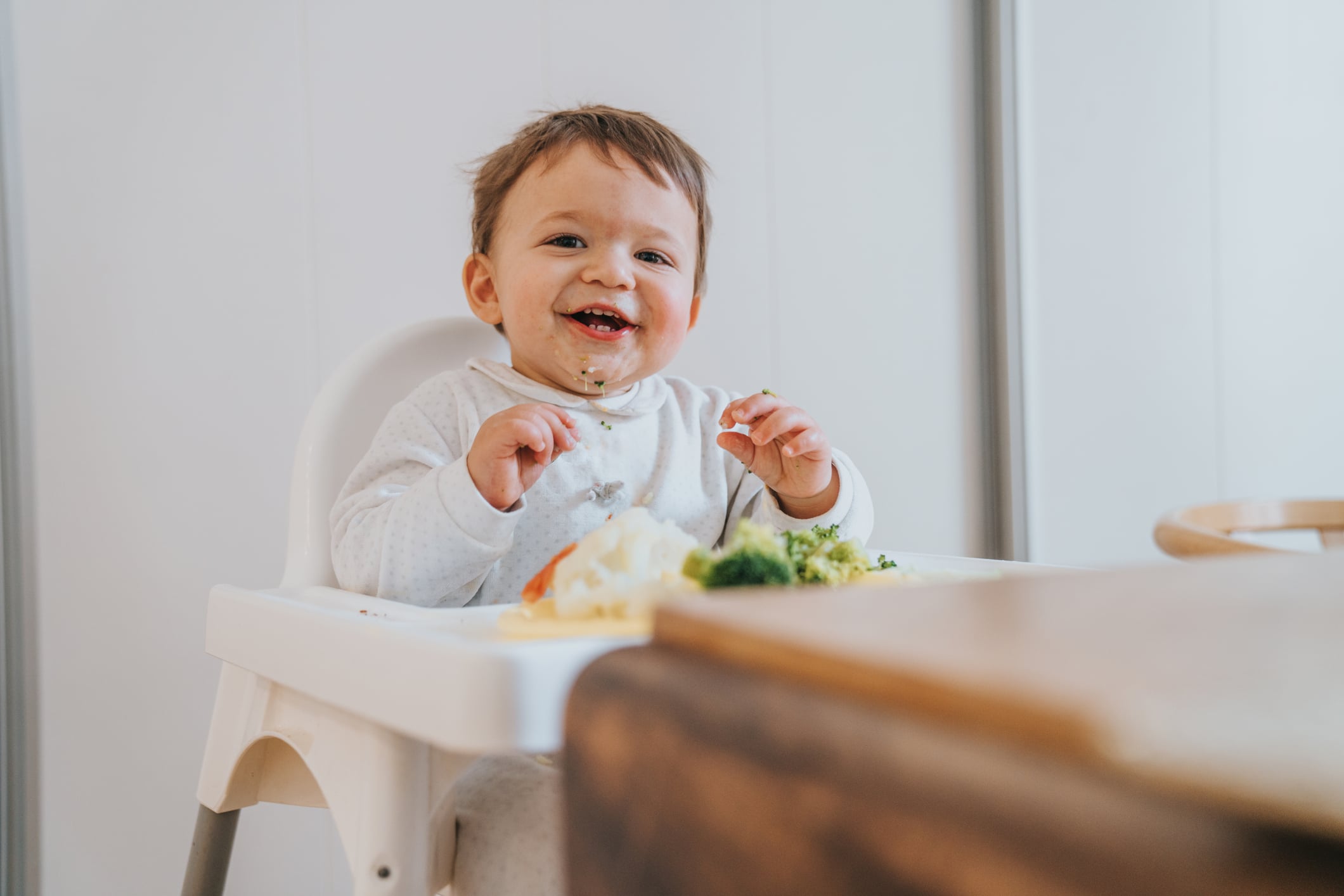
Is your child starting to take more interest in what’s on your plate than what’s in their bowl? Maybe they’re reaching for a piece of your toast, watching intently as you chew, or leaning in for a taste of your dinner. These are exciting signs that your child may be ready to begin exploring solid foods.
Moving from purees to solids is a big step, and it’s natural to have questions about when to start, how to introduce new textures, and what to do if your child seems hesitant along the way. Here’s what to know about supporting your child through this next stage of their feeding journey.
Signs Your Child May Be Ready for Solid Foods
Every child develops at their own pace, but between 6 and 9 months, most children begin moving from smooth purees to mashed or lumpy foods and soft solids. Common signs that your child may be ready to start exploring solids include:
- Showing interest in food by watching closely, reaching, or opening their mouth when food is offered
- Sitting upright in a supported feeding seat while maintaining good head and neck control
- Grasping food and bringing it to their mouth independently
- Swallowing food instead of immediately pushing it back out with their tongue
- Moving their tongue from side to side to shift food around their mouth
- Making chewing movements, even without teeth
Moving from Purees to New Textures
The transition from smooth purees to table foods does not have to happen all at once. Your child may begin with thicker purees before exploring mashed foods with a little more texture, such as mashed avocado, banana, or sweet potato.
From there, meltable and/or soft foods that easily break apart in the mouth can give your child opportunities to practice chewing and moving food with their tongue. These gradual changes give your child time to coordinate new tongue and jaw movements while building comfort with how different foods feel in their mouth.
This transition will look different for every child. Some children eagerly explore each new texture, while others benefit from more time and repeated opportunities to become familiar with it.
Tips for Introducing Solid Foods to Your Child
Transitioning to solids works best when it is kept positive and low-pressure for your child. Consider trying these strategies:
- Offer a variety of textures over time: As your child becomes more comfortable eating mashed foods, introduce lumpier foods and soft solids, such as scrambled eggs, soft-cooked pasta, or finely shredded chicken.
- Let your child explore with their hands: Touching, squeezing, and even playing with food helps your child learn about new textures before tasting is expected.
- Serve a solid food alongside a familiar puree: Pairing a new food with a familiar puree can make exploring a different texture feel more comfortable.
- Model eating together: Children often become curious about new foods when they see family members enjoying them at the table.
- Start with small amounts: A small portion can make a new food feel more approachable and give your child room to explore.
- Follow your child’s lead: Watch for signs that your child is interested, such as reaching for food or opening their mouth. If they turn their head or push food away, they may need a break or be finished eating.
- Allow repeated opportunities: Your child may need to see, touch, smell, or taste a food several times before becoming comfortable with it. Each interaction can be a meaningful step, even if they do not eat the food.
Always have your child sit upright and supervise them closely throughout meals and snacks. Prepare foods in a safe size, shape, and texture by quartering round foods lengthwise, finely shredding meat, and cooking hard fruits and vegetables until soft.
Signs Your Child May Need Extra Support Transitioning to Solid Foods
Learning to manage new textures takes practice, and occasional gagging or spitting out food can happen as your child develops these skills. However, some children have a harder time making the shift from purees to solids and could benefit from extra support during this transition. Signs may include:
- Frequently gagging or vomiting when exploring soft, developmentally appropriate foods
- Holding food in their cheeks without moving it toward the back of the mouth or swallowing
- Spitting out most foods without attempting to move them around with their tongue
- Coughing or appearing uncomfortable when managing anything beyond a smooth puree
- Having difficulty moving beyond completely smooth purees after several weeks of consistent, low-pressure opportunities
- Becoming upset when thicker textures or soft solid foods are offered
How Feeding Therapy Can Help Your Child Transition to Solid Foods
A pediatric feeding therapist can help identify what is making the move to solids more challenging for your child. They will look at your child’s feeding history and observe how they sit, respond to different tastes and textures, and coordinate their tongue, lips, and jaw while eating. From there, your child’s therapist will create an individualized plan based on your child’s current skills, strengths, and areas of growth.
Your therapist may focus on helping your child:
- Build comfort with early solid textures through gradual, playful food exploration
- Coordinate the movements of the tongue, lips, and jaw needed to move food through the mouth and swallow safely
- Increase willingness to explore thicker and more varied textures at a pace that feels manageable
- Move beyond purees toward mashed foods, soft solids, and table foods one step at a time
Your child’s therapist may focus on teaching you:
- Which foods, textures, shapes, and preparation methods can best support oral motor development and increase comfort with new textures
- Practical strategies for keeping this transition positive at home
Reach Out to More to Say Pediatric Development & Therapy
If you would like to learn more about how feeding therapy can help your child transition from purees to solids, call More to Say Pediatric Development & Therapy at (203) 828-6790 to speak with a therapist or schedule an evaluation at our Branford, Oxford, or Shelton, CT, clinics. We look forward to helping your child build the skills and confidence to enjoy a wider variety of foods at every stage.