

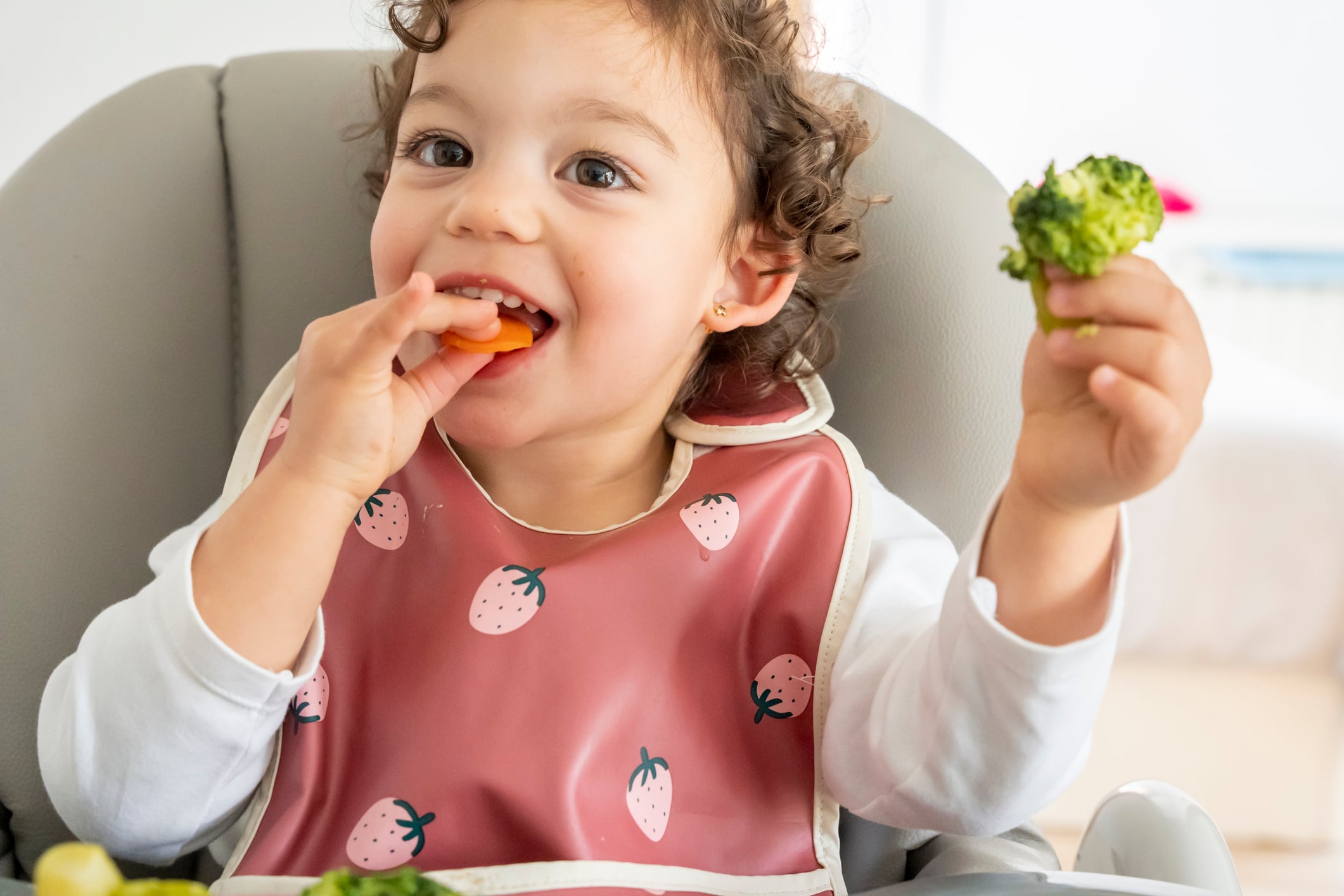
Everyone has food preferences, adults and children alike. Some people love crunchy snacks, while others prefer smooth and creamy foods. For some children, however, food textures can have a much bigger impact on their eating experience.
If your child consistently avoids certain textures, becomes uncomfortable or gags on foods, or will only eat foods of a very specific consistency, then sensory processing challenges may be influencing how they experience mealtimes.
Understanding how your child experiences different food textures is the first step toward providing meaningful support. With the right help, your child can explore new foods with curiosity and confidence, expand their food choices, get the nutrition they need to grow and thrive, and transform mealtimes from a source of stress into something the whole family can enjoy.
What Are Sensory-Based Feeding Challenges?
Sensory-based feeding challenges are different from typical food preferences. While all children have foods they enjoy more than others, some children experience certain foods in a way that makes eating feel uncomfortable, overwhelming, or unpredictable.
When a child avoids a food, it is often not about being stubborn or unwilling to try something new. Instead, they may be responding to the way the food feels, smells, tastes, looks, or even sounds when they chew it. Their sensory system is providing information that influences how comfortable they feel interacting with that food.
For some children, even small differences in texture, smell, temperature, or appearance can have a significant impact on their eating experience. A familiar food prepared differently or an unexpected texture can make a food feel less predictable and more challenging to explore.
Why Food Texture Can Be Challenging for Children With Sensory Sensitivities
Food provides a rich sensory experience. Every bite offers information about taste, smell, temperature, appearance, and texture. For many children, texture is one of the most noticeable parts of that experience.
Unlike other characteristics of food, texture can change throughout a meal. A cracker becomes softer as it mixes with saliva, a grape may feel firm before releasing juice when bitten, and a piece of meat may require varying amounts of chewing. These changing sensations can make eating less predictable for children who are particularly aware of how food feels in their mouths.
For children with sensory sensitivities, these differences in texture can feel much more intense. As a result, they may gravitate toward foods that feel familiar and predictable while avoiding foods that create unexpected sensory experiences.
Signs Your Child May Be Experiencing Texture-Related Feeding Challenges
Every child experiences food differently, but some common signs that texture may be influencing your child’s eating include:
- Gagging, retching, or vomiting when certain foods touch their tongue or lips
- Avoiding foods that contain a mixture of textures, such as yogurt with fruit pieces or soups with mixed ingredients
- Strongly preferring foods with a specific texture,, such as smooth foods like yogurt or applesauce
- Rejecting a familiar, favorite food if the texture changes slightly
- Becoming distressed at the sight or smell of a new food because they expect the texture to feel uncomfortable
- Enjoying a food in one form but rejecting it in another, such as liking raw carrots but avoiding cooked ones
How to Help Your Child at Home
If your child is still building comfort with different food textures, small, positive experiences can make a big difference. The goal is not to force new foods, but to create opportunities for exploration, confidence, and success.
Consider trying these supportive strategies at home:
- Keep mealtimes low-pressure: Invite your child to explore new foods without expectation. Simply having a new food on the table can be a meaningful step toward familiarity.
- Play with food outside of mealtimes: Making patterns out of cereal, building mountains out of mashed potatoes, or finger-painting with food-colored whipped cream allows your child to explore new textures in a playful, low-pressure way.
- Offer a “safe” food alongside something new: Including at least one food on their plate that feels comfortable and predictable can help reduce the stress of trying an unfamiliar texture.
- Involve your child in food prep: Letting them wash vegetables or stir ingredients allows them to become familiar with new foods without the pressure of eating them.
- Keep a mealtime journal: Keeping track of which foods and textures your child enjoys or avoids can help you better understand their sensory experiences and provide valuable information if you decide to seek professional support.
How Feeding Therapy Can Support Children With Texture Sensitivities
If your child continues to have difficulty with certain food textures despite trying supportive strategies at home, feeding therapy can provide additional guidance and support. A pediatric feeding therapist will take the time to understand your child’s unique strengths, sensory experiences, oral motor skills, and feeding history. Through a comprehensive evaluation, they can identify the factors influencing your child’s eating patterns and develop an individualized plan to support their growth.
For some children, food textures may feel overwhelming due to sensory processing differences. For others, oral motor skills such as chewing, tongue movement, or jaw strength may make certain foods more challenging to manage. Often, multiple factors work together to influence a child’s feeding experience.
Using evidence-based, child-centered approaches, feeding therapists help children gradually build comfort, confidence, and skills around eating.
Your therapist will focus on helping your child:
- Increase comfort with new textures through gradual, supportive exposure and exploration
- Develop oral motor skills needed to safely and efficiently chew and manage a wider variety of foods
- Build confidence during mealtimes by creating positive experiences and reducing anxiety around unfamiliar foods
- Expand food variety over time by helping children feel more comfortable exploring foods with different tastes, textures, and appearances
- Support family mealtime success by providing caregivers with practical strategies that can be used at home
What Feeding Therapy Sessions May Look Like
Feeding therapy is designed to be engaging, supportive, and tailored to your child’s individual needs. Through play-based, evidence-based activities, therapists help children build positive experiences with food while developing the skills needed for successful eating.
Every child progresses at their own pace, and therapy focuses on creating a safe environment where children can explore new foods and textures with confidence.
During a typical session, your child’s therapist may:
- Guide your child through food exploration by encouraging them to look at, smell, touch, and interact with new foods in a gradual, low-pressure way before tasting is ever expected
- Incorporate fun oral motor activities using tools, like silly straws or chewy tubes, and games that help strengthen the muscles needed for chewing, biting, and managing a variety of food textures
- Follow your child’s cues to identify when they are ready for the next step and when they may benefit from additional support, helping to keep the experience positive and successful
- Modify foods to match your child’s current comfort level by adjusting textures, sizes, or preparation methods to create opportunities for successful exploration,like drying out a mango so it feels less slimy or crushing crackers so they are less crunchy
- Partner with parents and caregivers by sharing practical strategies, language, and techniques that can be used during everyday meals and snacks at home Show you the exact words, pacing, and reactions to use during family dinners so you can confidently continue practicing what your child learns in therapy between sessions
Reach Out to More to Say Pediatric Development & Therapy
If you’d like to learn more about how therapy can help your child feel more comfortable exploring different food textures, call More to Say Pediatric Development & Therapy at (203) 828-6790 to schedule an evaluation at our Branford, Oxford, or Shelton, CT, clinics. We look forward to helping your child feel calmer and more confident at the table, and maybe even discover the joy of a few new favorite foods along the way.